The Future of Office Infrastructure: Transitioning to AI-Driven Cloud Printing Ecosystems
In the rapidly evolving landscape of the modern workplace, the humble office printer is undergoing a radical transformation. Once considered a static and often frustrating peripheral, the printer has been reinvented as a sophisticated, IoT-enabled node within a larger digital ecosystem. As businesses transition from traditional on-premise servers to agile cloud environments, the demand for intelligent print management systems has surged. This shift is not merely about moving documents from a screen to paper; it is about optimizing workflow efficiency, enhancing cybersecurity, and predicting future trends that will redefine how we interact with physical media in 2025 and beyond.
The Rise of Cloud-Based Print Management
The move toward cloud-based printer systems is a response to the limitations of traditional print servers, which often required heavy IT maintenance and created bottlenecks in remote or hybrid work environments. Cloud printing eliminates the need for local drivers and complex network configurations. Instead, users can send print jobs from any device—be it a laptop, tablet, or smartphone—to a secure cloud queue, where the document can be “pulled” at any authorized printer within the organization.
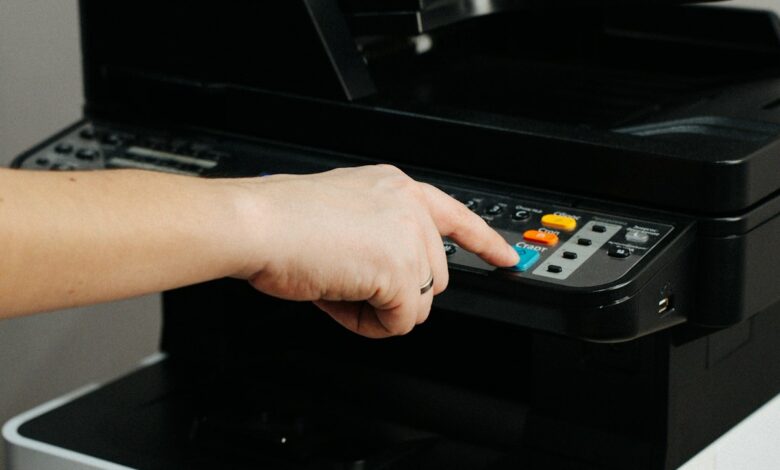
This “Pull Printing” or “Follow-Me Printing” feature is a cornerstone of modern workflow efficiency. It ensures that sensitive documents are not left sitting in a printer tray, as the job only begins once the user authenticates themselves at the machine via a badge, PIN, or mobile app. For IT managers, the cloud provides a centralized dashboard to monitor toner levels, track usage patterns, and deploy updates across multiple locations simultaneously, drastically reducing the time spent on routine maintenance.
Enhancing Workflow with Smart Hardware
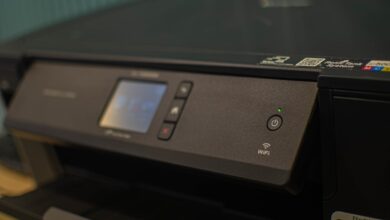
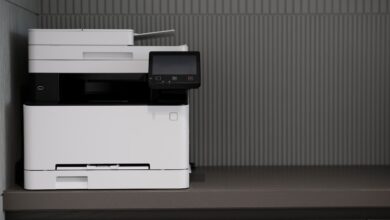
Hardware is also keeping pace with software innovations. The new generation of “smart printers” functions more like integrated document hubs than simple output devices. These machines are equipped with powerful processors and intuitive touchscreens that allow for direct integration with cloud storage services like Google Drive, OneDrive, and Dropbox.
Imagine a workflow where a physical contract can be scanned, automatically OCR-processed (Optical Character Recognition) to become searchable text, and instantly routed to the correct department’s folder—all from the printer’s interface. This level of integration removes several steps from traditional office tasks, allowing employees to focus on high-value work rather than manual file management. Smart printers also utilize machine learning to predict when a component might fail, allowing for “predictive maintenance” that prevents downtime before it even happens.
Trends to Watch: The 2025 Outlook
As we look toward 2025, several key trends are emerging that will further disrupt the printing industry.
1. AI-Optimized Resource Management: AI will play a critical role in sustainability. Future systems will automatically analyze print jobs to suggest the most eco-friendly settings, such as adjusting ink density for internal drafts or suggesting digital-only distribution for documents that don’t truly require a physical copy.
2. Zero-Trust Printing Security: As cyber threats become more sophisticated, printing infrastructure will adopt “Zero Trust” architectures. This means every print request, even those within the internal network, must be continuously verified. Encryption will become standard not just for data in transit, but for the data at rest within the printer’s hard drive.
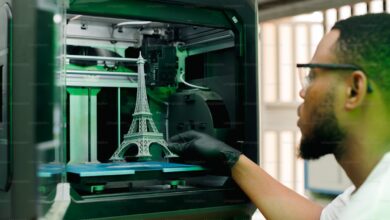
3. The Convergence of 2D and 3D Printing: In specialized sectors like architecture or healthcare, we are seeing the rise of multi-functional hubs that can manage both standard document printing and rapid 3D prototyping from a single management interface, blurring the lines between administrative and creative output.
Sustainability and the Paperless Myth
For years, the “paperless office” was predicted as the inevitable end of the printing industry. However, reality has proven that physical documents remain essential for legal, archival, and tactile cognitive reasons. The focus has therefore shifted from eliminating paper to “responsible printing.”
Modern cloud systems provide granular reporting on paper consumption, allowing companies to set “carbon budgets” and encourage mindful printing. By using cloud-based data to identify wasteful habits, organizations can reduce their environmental footprint while still maintaining the necessary physical outputs for their operations. This data-driven approach to sustainability is no longer an optional feature; it is becoming a core requirement for modern corporate social responsibility.
Conclusion: Investing in a Connected Future
The evolution of print management is a testament to the power of digital transformation. By moving away from siloed, legacy hardware and embracing cloud-integrated smart systems, businesses can unlock significant gains in productivity and security. The printer is no longer an island; it is a vital part of the connected office.
As we move toward 2025, the organizations that thrive will be those that view their printing infrastructure as a strategic asset. Investing in the right cloud-based systems and staying ahead of technological trends ensures that the flow of information—whether digital or physical—remains seamless, secure, and sustainable. In the end, the goal of modern print management is to make the technology invisible, allowing the work itself to take center stage. Through automation and intelligent design, the “frustrating office printer” is finally becoming a relic of the past, replaced by a reliable partner in the digital workspace.