The Future of Printing Technology: How Smart Printers and Cloud Solutions Transform Modern Workplaces
Printing technology has continued to evolve alongside digital transformation. While many businesses have reduced their dependence on traditional paper documents, printing remains an important part of office operations, education, marketing, and creative industries.
Modern printing solutions are no longer limited to simple document production. Smart printers, cloud printing platforms, and connected office systems have changed how organizations manage, share, and produce printed materials.
The combination of hardware innovation and digital technology has created a new generation of printing infrastructure that is faster, more efficient, and easier to manage.
The Evolution of Modern Printing Systems
Traditional printers were designed mainly for basic printing tasks. Users connected devices directly to computers, selected files, and waited for documents to be produced.
Today, printing systems have become much more advanced. Modern printers can connect to networks, communicate with cloud platforms, and integrate with business management systems.
This evolution allows companies to manage printing activities more efficiently. Employees can send documents from different devices, monitor printer usage, and access printing services from various locations.
Understanding Cloud Printing Technology
Cloud printing is one of the most important developments in modern printing infrastructure. Instead of relying only on local connections, cloud printing allows users to send documents through online platforms.
This technology provides several advantages for businesses. Employees working remotely can access printing resources without being physically connected to office computers.
Cloud printing also simplifies management because administrators can control devices, monitor usage, and update settings through centralized systems.
For organizations with multiple offices, cloud-based printing creates a more flexible and efficient workflow.
The Rise of Smart Printers
Smart printers represent the combination of traditional printing equipment with advanced digital features.
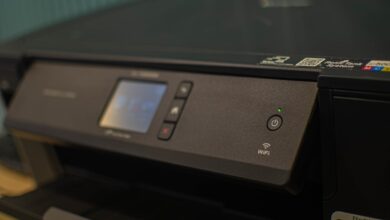
Many modern smart printers include touchscreens, wireless connectivity, mobile printing support, and automated maintenance systems.
Some devices can analyze usage patterns and notify administrators when supplies need replacement. This reduces downtime and improves productivity.
Integration with smartphones and tablets also makes printing more convenient. Users can print documents directly from mobile devices without complicated setup processes.
Printing Technology for Business Marketing
Although digital marketing continues to grow, printed media remains valuable for many businesses.
Brochures, product catalogs, business cards, posters, and promotional materials provide physical experiences that digital content cannot always replace.
Modern printing technology allows companies to produce high-quality marketing materials with greater flexibility. Digital printing systems make it possible to create customized designs, small production batches, and personalized content.
This is especially useful for businesses that want targeted marketing campaigns.
Improving Office Productivity Through Better Infrastructure
A well-designed printing infrastructure can significantly improve workplace efficiency.
Businesses need to consider factors such as printer placement, network management, security, and maintenance schedules.
Centralized printing systems help reduce unnecessary costs by tracking usage and preventing waste.
Security has also become an important consideration. Modern printers may store sensitive documents, so businesses need proper authentication systems and data protection measures.
Environmental Impact and Sustainable Printing
Sustainability is becoming a major focus in the printing industry. Companies are looking for ways to reduce paper waste, energy consumption, and environmental impact.
Modern printers often include energy-saving features and more efficient ink or toner systems.
Cloud printing also supports sustainability by reducing unnecessary printing and helping organizations monitor resource usage.
Responsible printing practices allow businesses to maintain productivity while reducing their environmental footprint.
The Future of Printing Technology
The future of printing will likely involve deeper integration between artificial intelligence, automation, and cloud systems.
AI-powered printers may provide smarter maintenance predictions, optimize resource usage, and improve workflow management.
As businesses continue adopting hybrid work models, flexible printing solutions will become increasingly important.
Printing will not disappear; instead, it will continue evolving into a smarter and more connected service.
Conclusion
Printing technology has transformed from a simple document production process into an advanced digital ecosystem. Smart printers, cloud printing, and modern office infrastructure provide businesses with greater flexibility, efficiency, and control.
Organizations that adopt innovative printing solutions can improve productivity while reducing costs and supporting sustainable practices.